Food as a Tool for Health, Social Inclusion and Sustainability
In the framework of the European project FOOD4INCLUSION, the Union of Working Consumers of Greece (EEKE), in collaboration with the United African Women Organization Greece (UAWO), implemented the community based action “Empowering Communities Through Food Justice, Education and Sustainability”, using the participatory Around My Kitchen Table methodology.
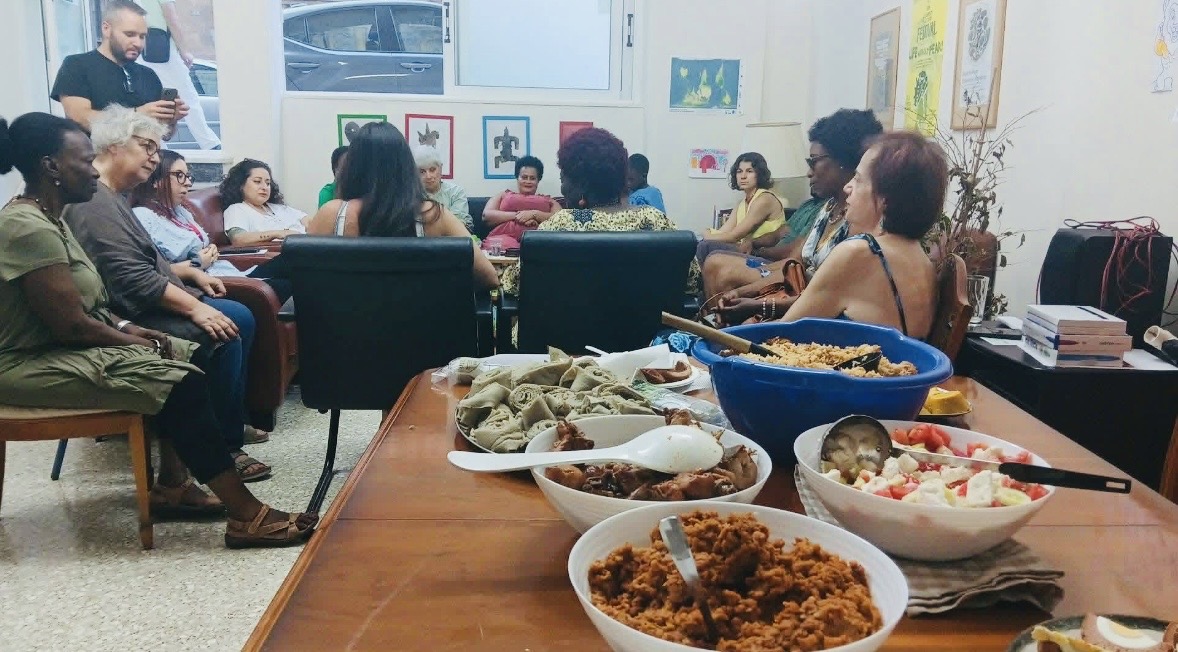
The action brought together 23 participants, including members of the African community, a dietitian-nutritionist from the Hellenic Red Cross, and representatives of civil society organisations, NGOs and the Municipality of Athens. The diversity of participants created a meaningful space for sharing knowledge and experiences around food, health and sustainability.
Putting Communities’ Needs at the Centre
Through an introduction to the Food Justice approach and discussions on Non-Communicable Diseases (NCDs) and the role of nutrition in their prevention, participants strengthened their nutrition literacy. At the same time, the discussion highlighted how dietary choices are strongly influenced by social and economic factors, including poverty, food costs and availability.
The participation of women from the African community was particularly valuable. They shared their food traditions, experiences and everyday challenges, highlighting common elements between traditional African dietary practices and the principles of healthy and sustainable nutrition.
The Shared Table as a Bridge Between Cultures
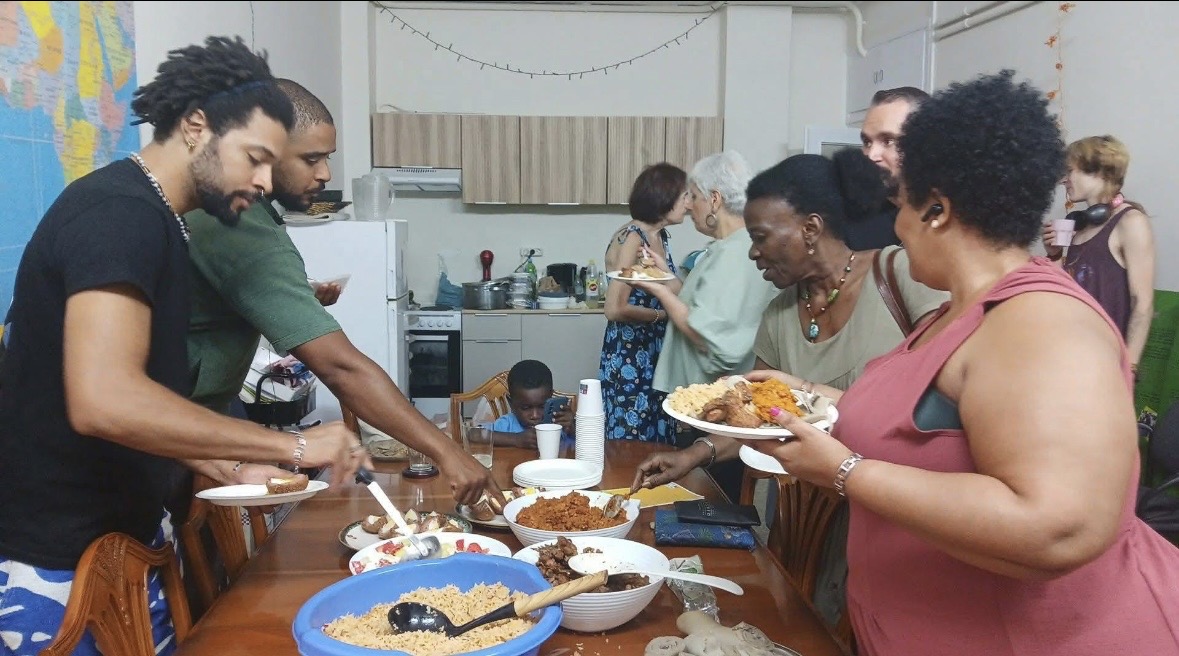
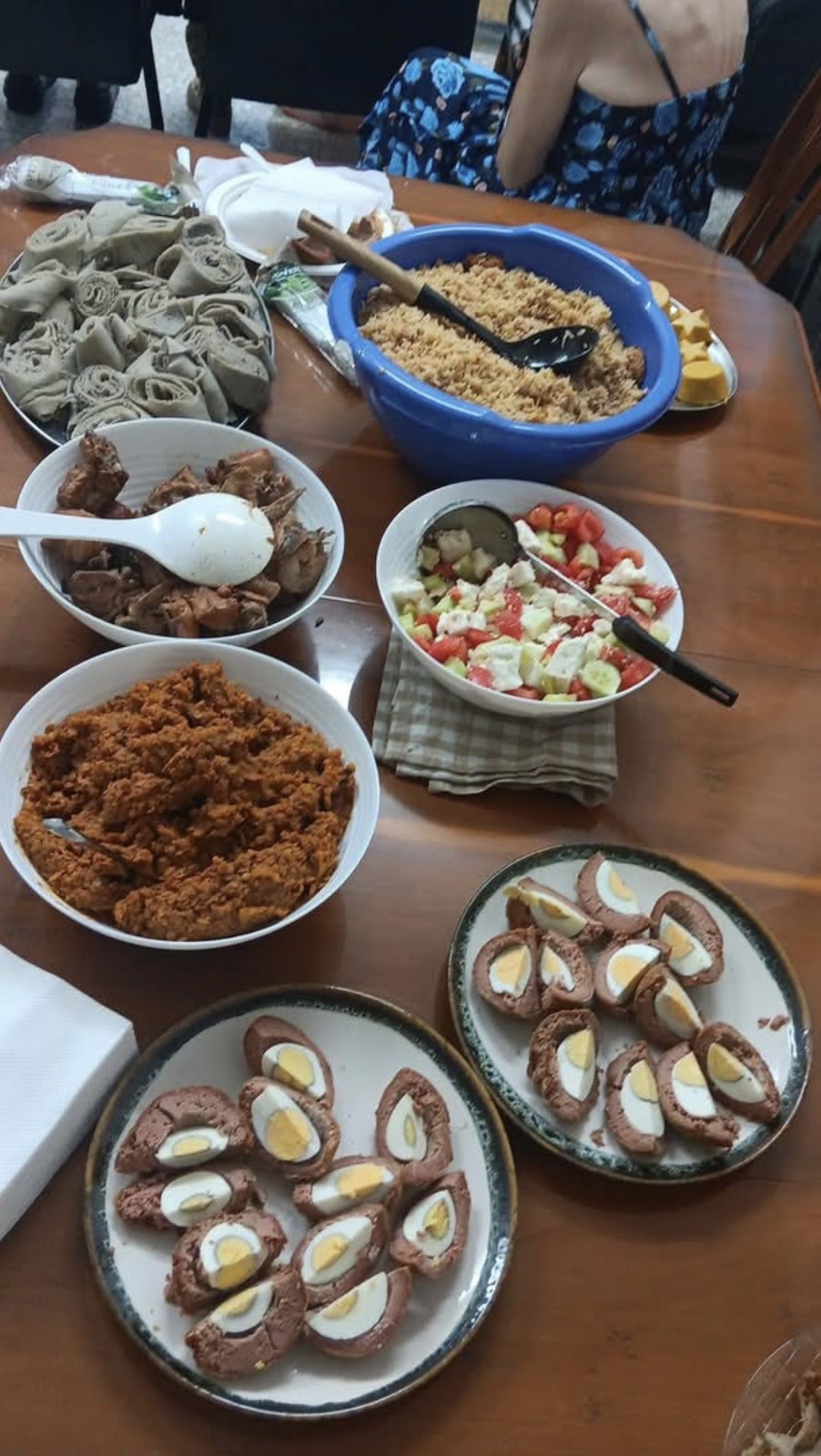
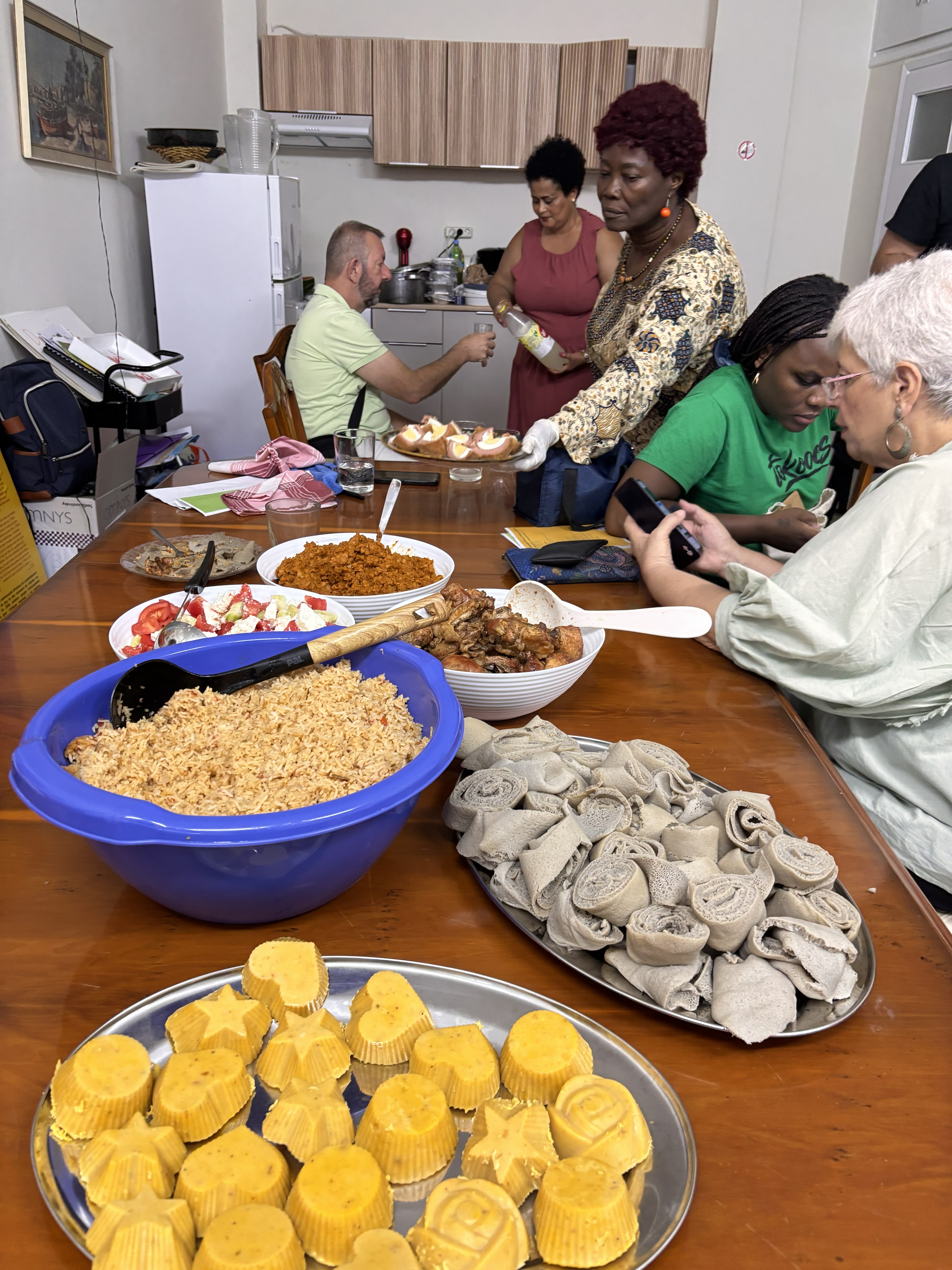
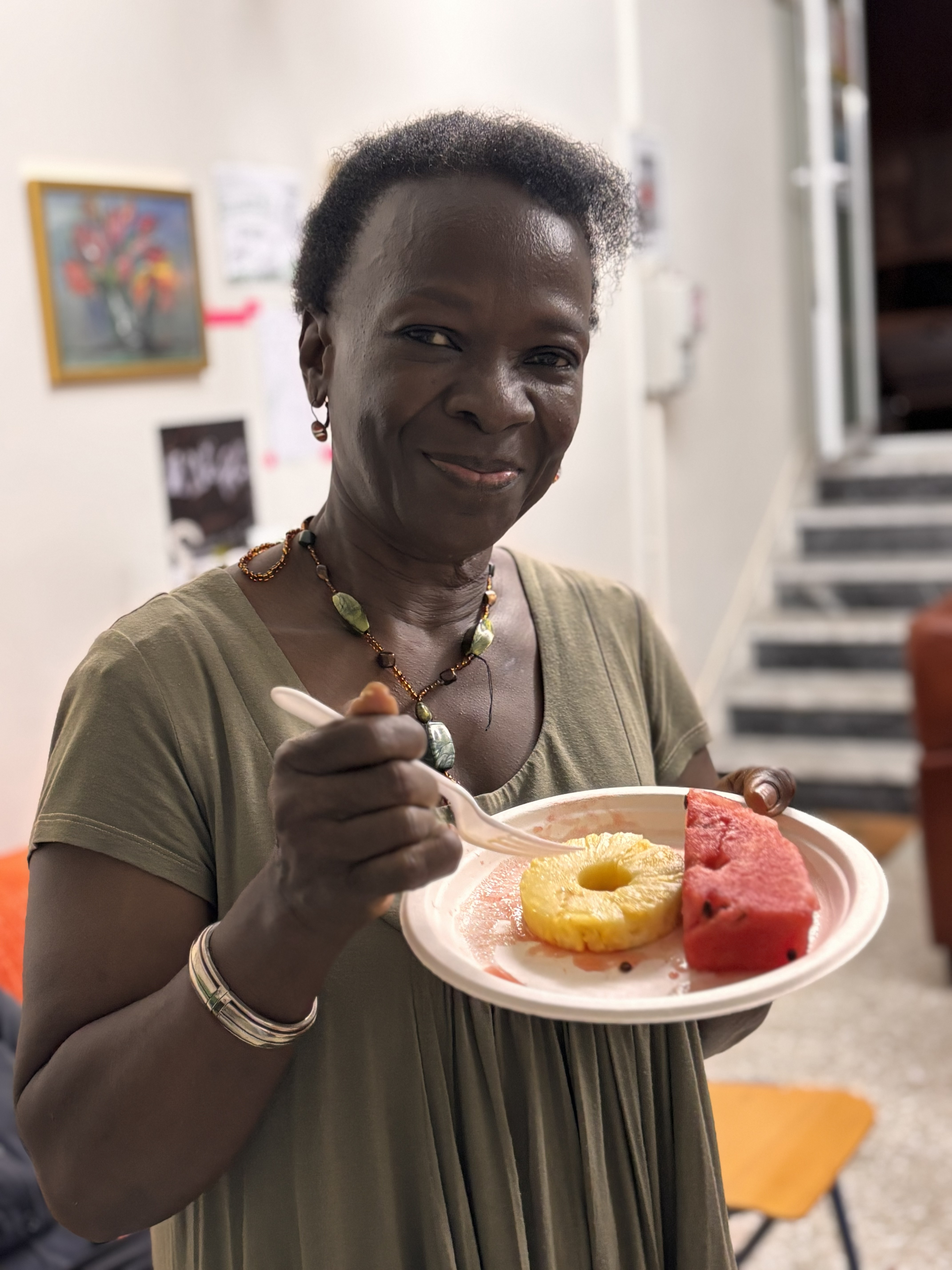
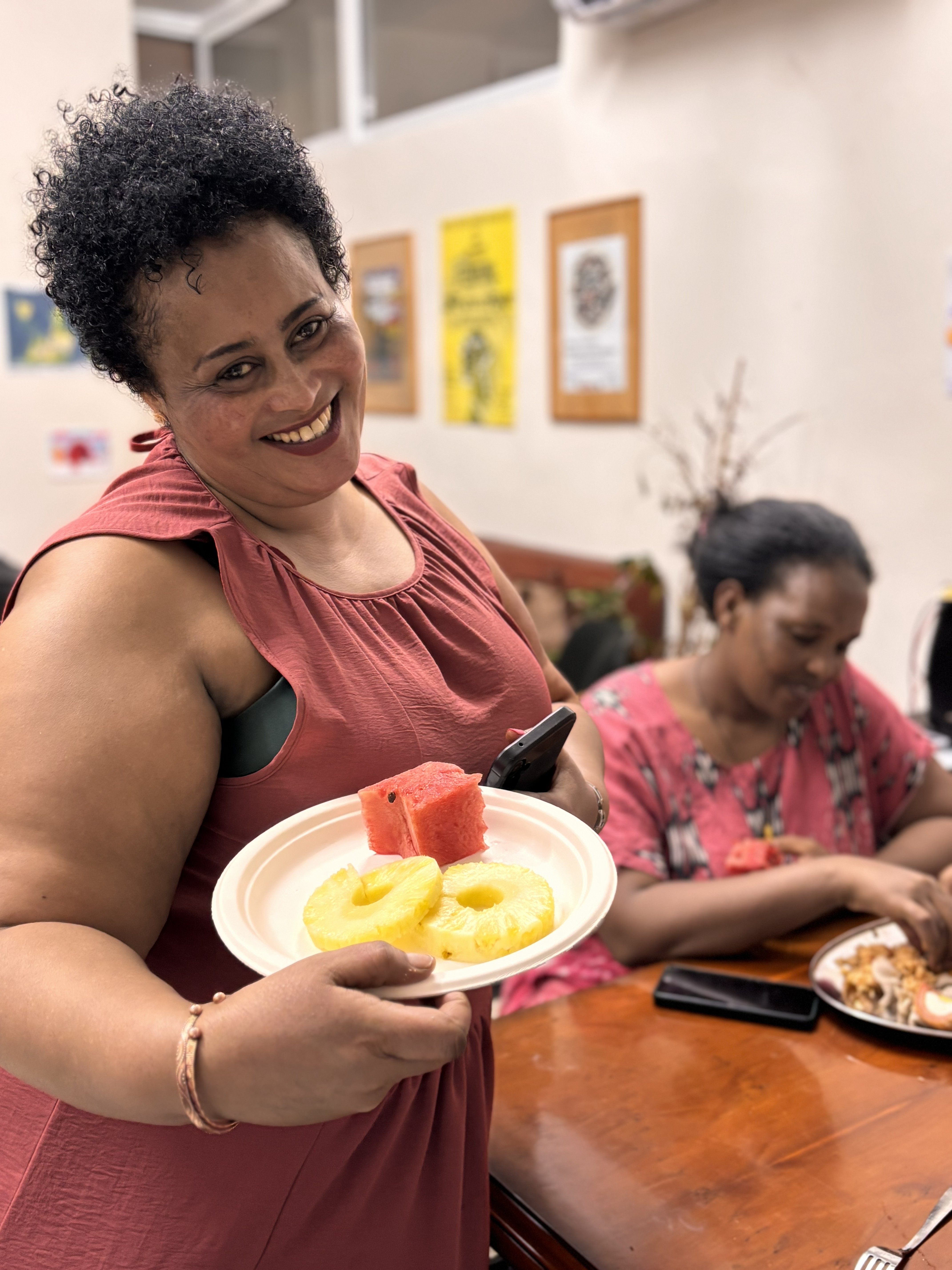
A central part of the action was a shared meal featuring five traditional African recipes and one Greek dish. The participants presented the recipes and their cultural significance, while the dietitian-nutritionist assessed their nutritional value and discussed practical ways to improve their nutritional profile without compromising their cultural identity.
Participants also exchanged practical experiences on reducing food waste, better planning of food purchases, proper food storage and the creative use of leftovers.
The action concluded with positive feedback from participants and highlighted the importance of creating inclusive spaces for dialogue, where scientific knowledge can meet the lived experiences of communities.
The key message was clear: promoting health and sustainable dietary practices is more effective when interventions are developed with communities, rather than simply for communities, taking into account their needs, social circumstances and cultural identity.